Publications
- Sustainable Public Space For a Livable City: A Study of Steel Structure Design Solution Applied in Danang City, Vietnam (2023, The University of Danang – Journal of Science and Technology)
- Reimagining Coastal Public Space: The Case Study of Danang, Vietnam (2023, The International Conference on Environment, Earth Science and Sustainability (ICES) 2022)
- Urban Infrastructure Issues: A Sustainable Alley Development and Construction in Vietnam (2022, Lecture Notes in Civil Engineering)
- Preserving and Promoting Colonial Architecture: Heritage Conservation and the Challenge of Urban Development in Danang City (2020, Culture and Local Governance)
Working papers
- Thinking beyond from within the urban PhD (Forthcoming, Urban Studies)
- Strategic defaults in emerging land auctions: A case study in Vietnam (draft-R2, Revise & Resubmit, Journal of Urban Management)
- Aspirational Waterfront Imaginaries and Partial Publicness: Making Public Space on Danang’s Waterfront (draft available upon request)
- Shifting norms, changing practices: How Planning Culture Influences Community Engagement and Waterfront Publicness in Danang’s Waterfront Redevelopment (draft available upon request)
“The waterfront isn’t just something unto itself. It’s connected to everything else.”
— Jane Jacobs
Doctoral Research
My research contributes to waterfront regeneration by conceptualising planning culture as a mechanism through which travelling waterfront redevelopment models are translated into local public-space outcomes. The study shifts attention from identifying redevelopment patterns to explaining how public-benefit logics, authority relations, claim recognition, and planning responses produce different forms of waterfront publicness. Furthermore, the study reframes informal participation as culturally embedded claim-making within governance processes and conceptualises publicness as a planning-cultural outcome rather than a matter of ownership, access, or design.
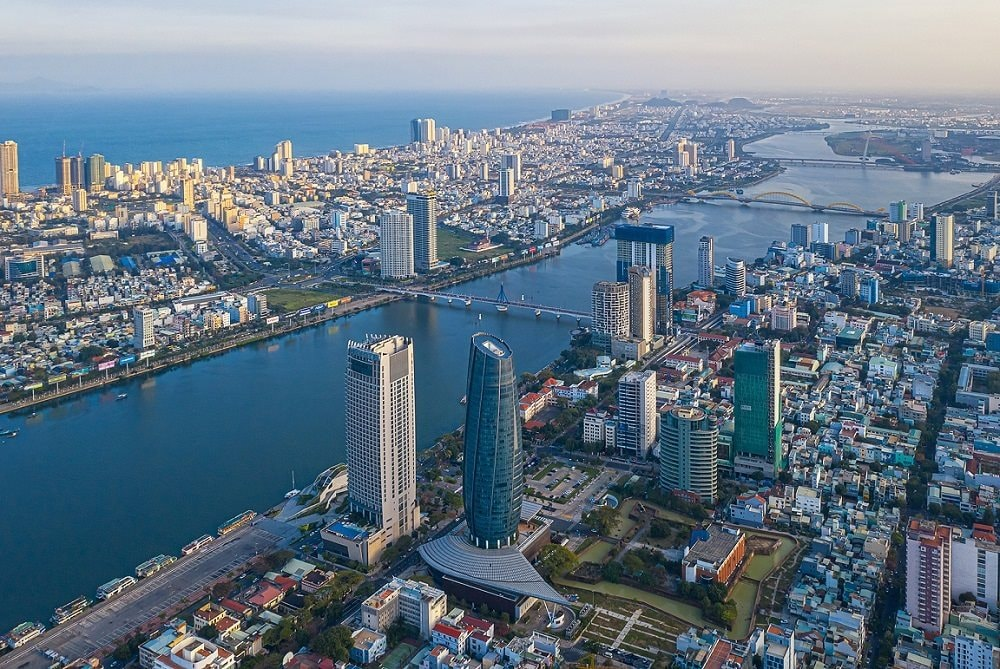
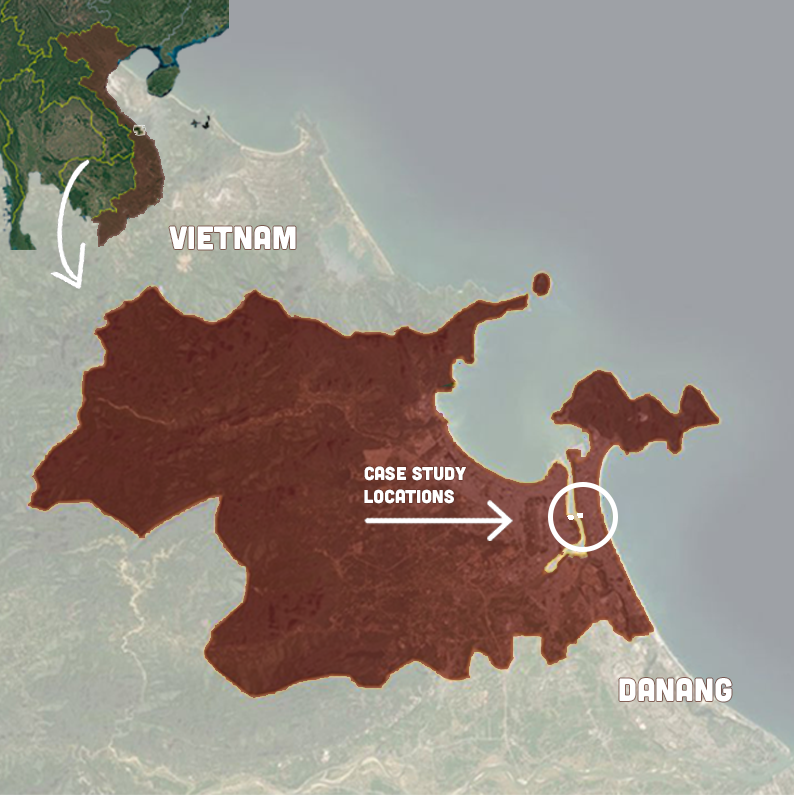
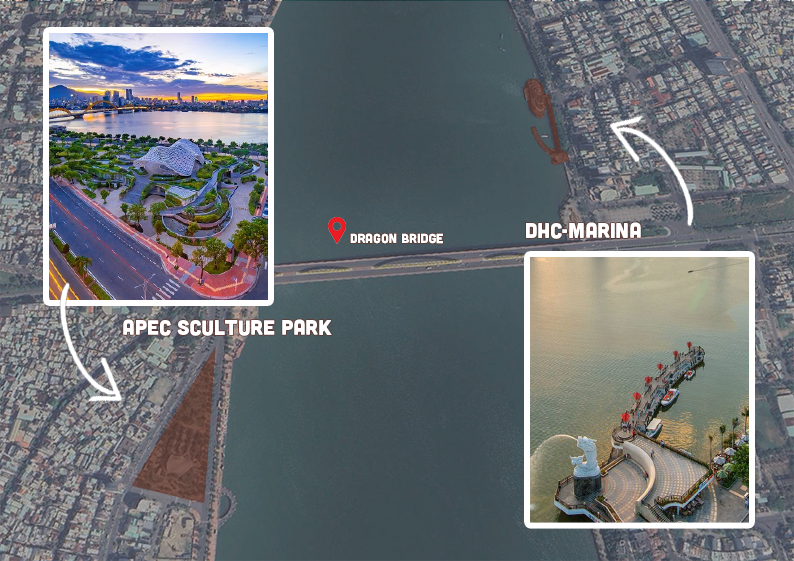
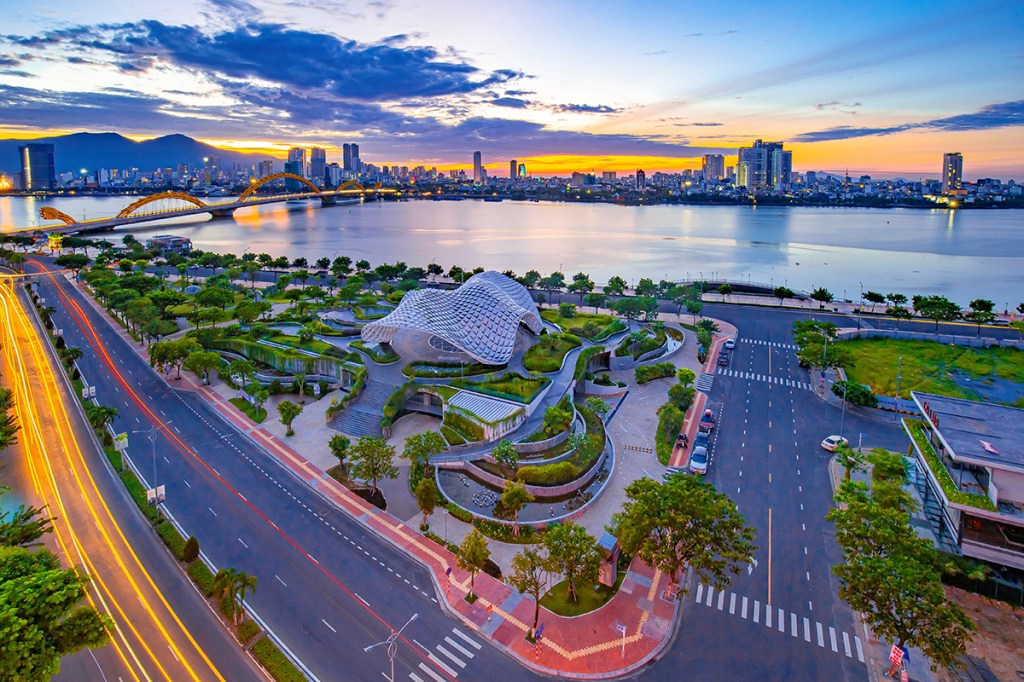
At the APEC Sculpture Park, the planning culture emphasised public benefit in terms of cultural and social value, thereby legitimising informal community claims for a more usable public space within the planning process. Incorporating these claims through expansion and redesign resulted in a more socially embedded publicness, as evidenced by a broader range of local use and cultural events.
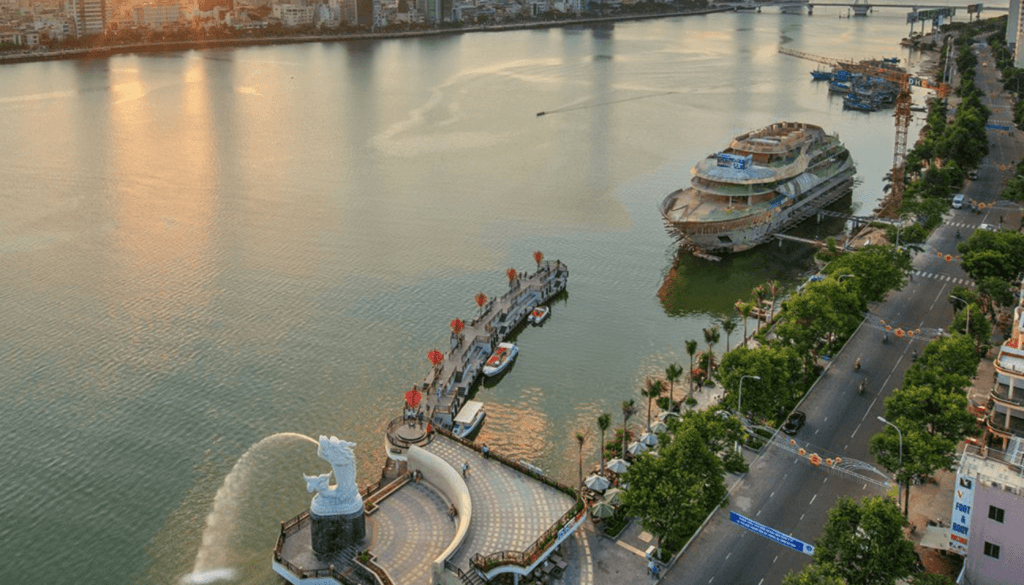
At DHC-Marina, the planning culture defined public benefit primarily in terms of investment, tourism, and city image, concentrating early decision-making among state and investor actors and only in later processes that prioritised professional critique over residents’ everyday claims. This approach resulted in partial publicness, creating a prominent and partly accessible waterfront destination that remained commercially oriented and only weakly integrated with local everyday use.

